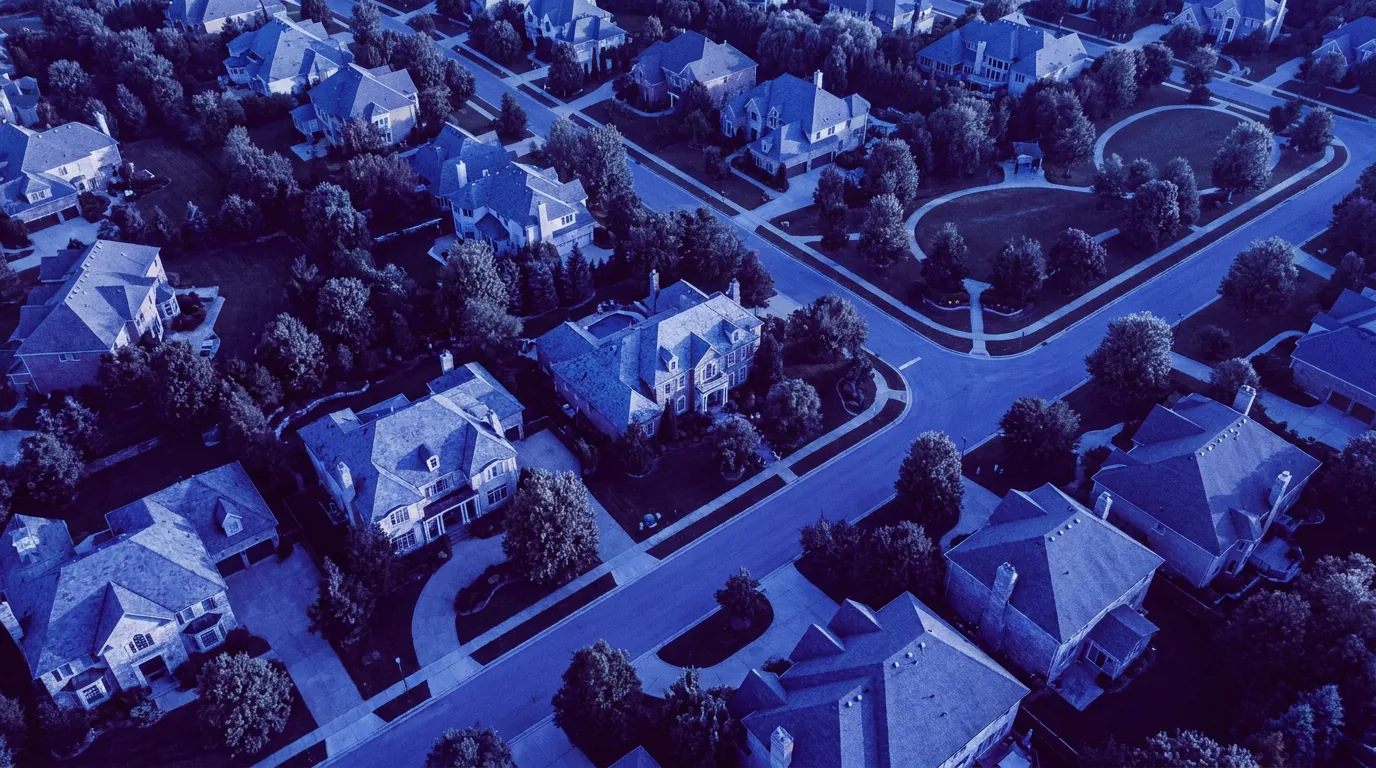

Mesquite sits at the urban-rural boundary where residential development competes with remaining agricultural parcels, creating appraisal challenges for lenders unfamiliar with transitional land use. Traditional farm credit lenders often require minimum acreage thresholds or specific crop types that exclude smaller hay operations, horse boarding facilities, and wholesale nurseries common along Highway 80 and Belt Line Road. Seasonal revenue from pecan groves, produce stands, and landscape-supply yards appears irregular to conventional underwriters who expect monthly receivables. Equipment age matters: a broker matches older but functional tractors and irrigation systems with lenders who lend against operational utility rather than blue-book depreciation schedules.
Loan programs
Farm machinery finance through equipment lenders covers tractors, hay balers, sprayers, and utility vehicles when the equipment itself secures the loan, bypassing personal-credit reliance. SBA 7(a) farm ownership loans fund land acquisition or facility upgrades for operations generating at least 50% revenue from agricultural activity, using the property as collateral. Working capital lines bridge the planting-to-harvest gap, structured with interest-only periods that align payments to sale cycles. Commercial real estate loans finance barn construction, cold-storage buildings, and retail farm-market structures on parcels zoned for agricultural use in Forney and Seagoville. Invoice factoring converts wholesale nursery receivables and landscape-contractor invoices into immediate cash without adding debt.
Goldview Capital Group pre-qualifies your file by reviewing balance sheets, tax returns, and collateral documentation before submission, identifying which lenders accept seasonal income patterns and mixed-use land. We explain exactly what underwriters need: soil maps for land loans, equipment appraisals for machinery finance, profit-and-loss statements separated by enterprise for diversified farms. One application reaches multiple lending sources rather than triggering sequential credit inquiries that lower scores.
A 40-acre hay operation near Forney needed a used round baler ($28,000) and operating funds ($15,000) for fertilizer and fuel. The owner's tax returns showed summer revenue spikes that confused a retail bank. We brokered equipment financing secured by the baler and a working capital line against existing equipment equity, structuring payments around June and September hay sales rather than fixed monthly installments.
Contact Goldview Capital Group at 341 Wheatfield Dr, Sunnyvale, TX 75182, Mesquite, TX or call (972) 478-1169 to discuss farm credit financing options.
What approval factors matter most for farm loans? Underwriters prioritize collateral equity (land, equipment, livestock), debt-service coverage calculated across full production cycles, and operating history demonstrating profitable harvests or sales. Personal credit scores matter less than asset coverage and agricultural experience.
Which program handles seasonal cash flow best? Working capital lines of credit and farm operating loans allow interest-only payments during planting months, with principal due after harvest or sales. This structure matches repayment to actual revenue timing rather than imposing uniform monthly obligations.
Do lenders finance transitional agricultural land? Lenders who specialize in rural-edge markets will finance parcels with agricultural use even when surrounding development suggests future residential conversion, provided current zoning and income support the farm-business narrative. Appraisals must reflect agricultural value, not speculative residential potential.
Serving the Mesquite area

We know which lenders fund which kinds of Mesquite businesses, and we position your file where it fits.
One local broker, many lenders, and no cost to apply.
Common questions
Talk to a local advisor and get matched to the right program, no obligation.